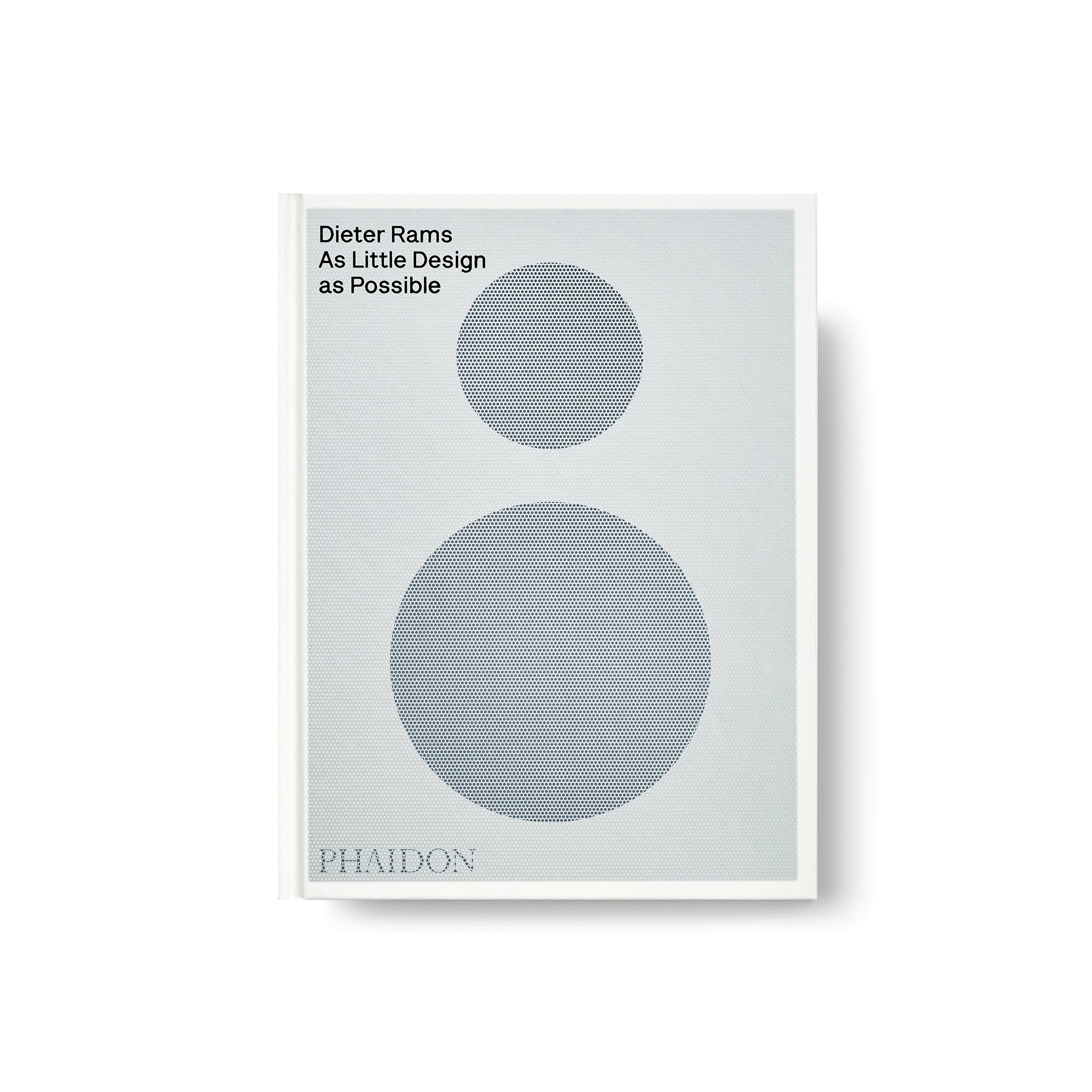
Dieter Rams: As Little Design as Possible
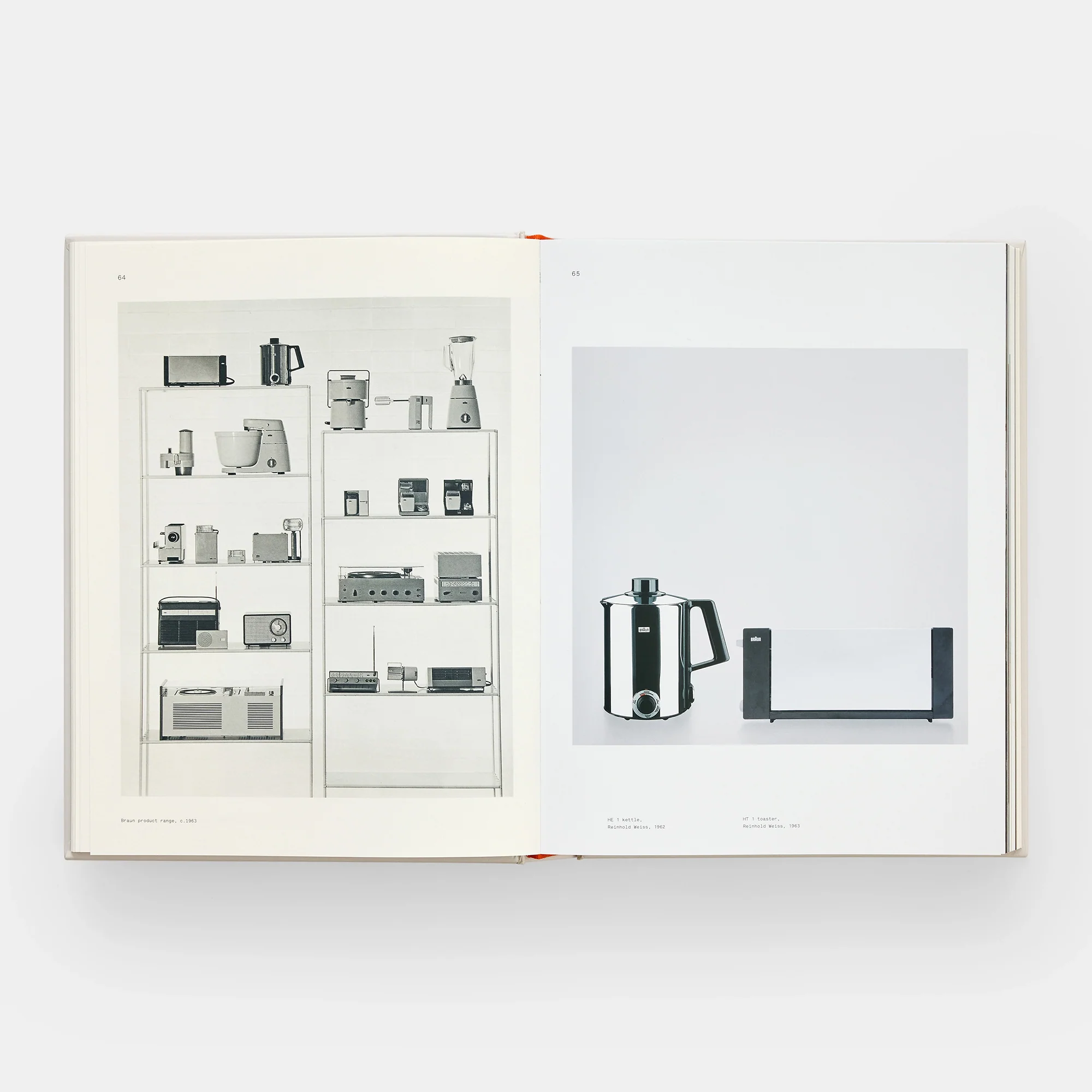
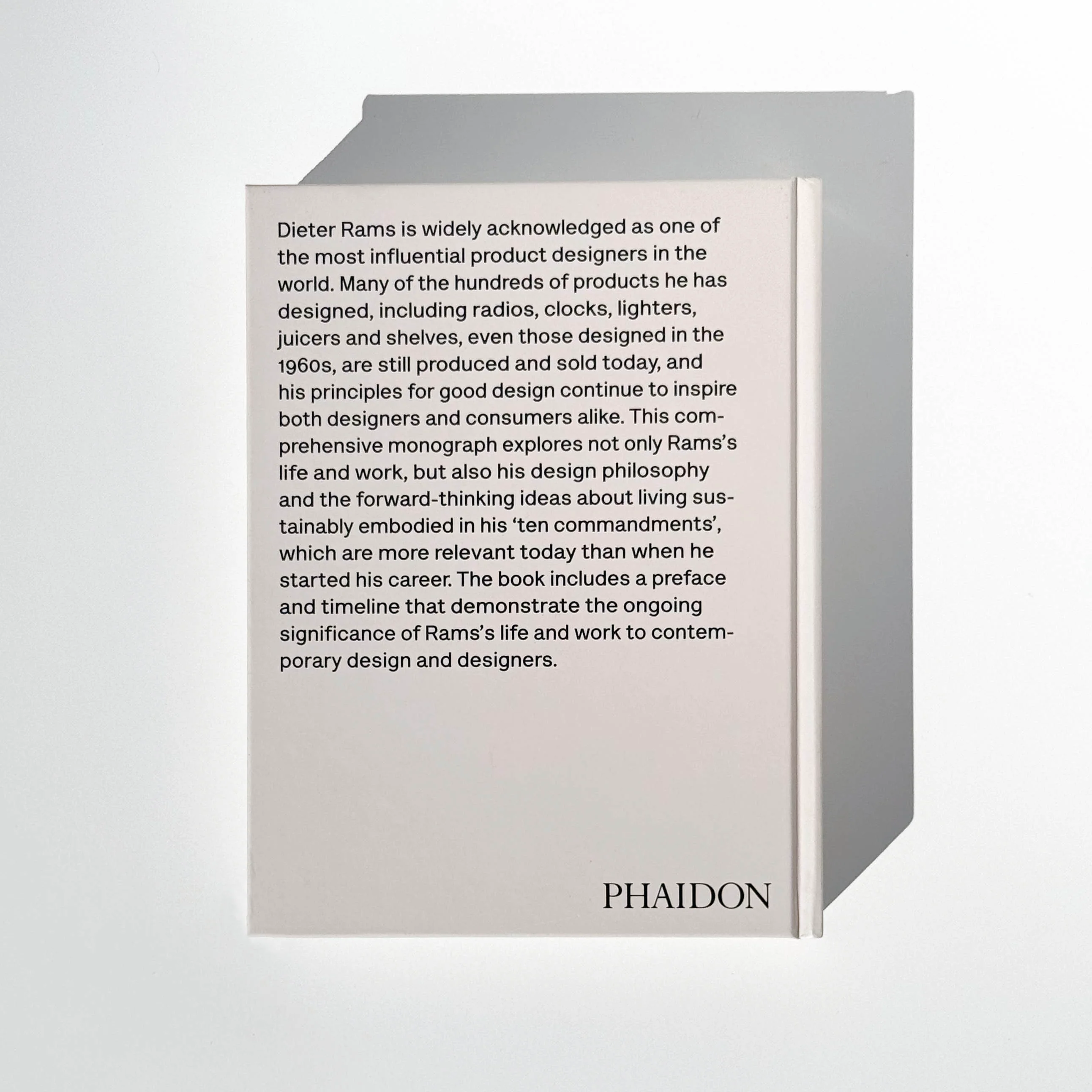
Dieter Rams shaped modern design through reduction. During his tenure as Braun's head of design (1961-1995), he articulated a vision of functional minimalism that transcended mere aesthetics. His approach centered on the belief that design serves human experience by eliminating excess, transforming everyday objects—from coffee makers to calculators—into studies of essential form. This design language, developed at Braun and through his furniture work for Vitsœ, resonates in contemporary design, notably in Apple's industrial design principles.
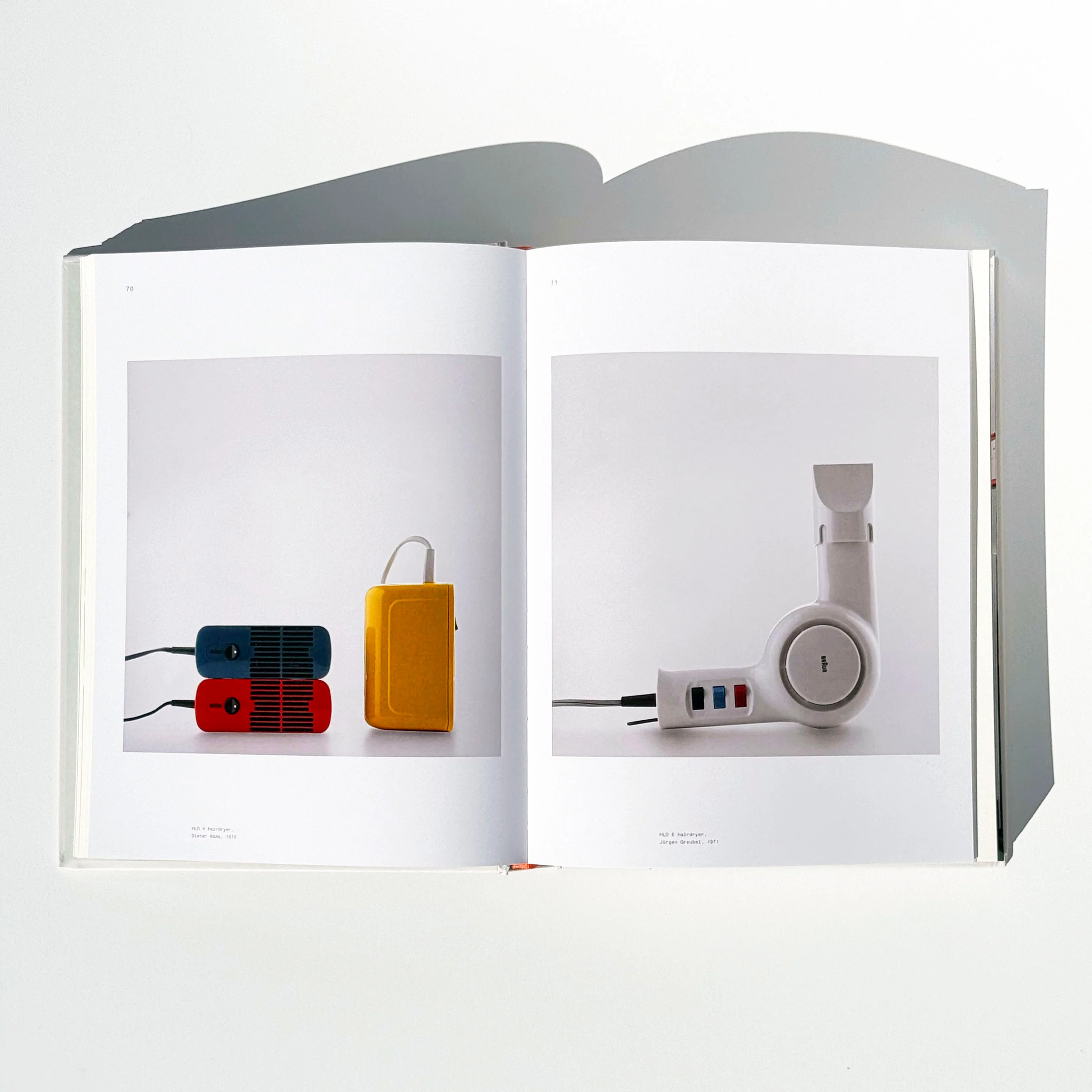
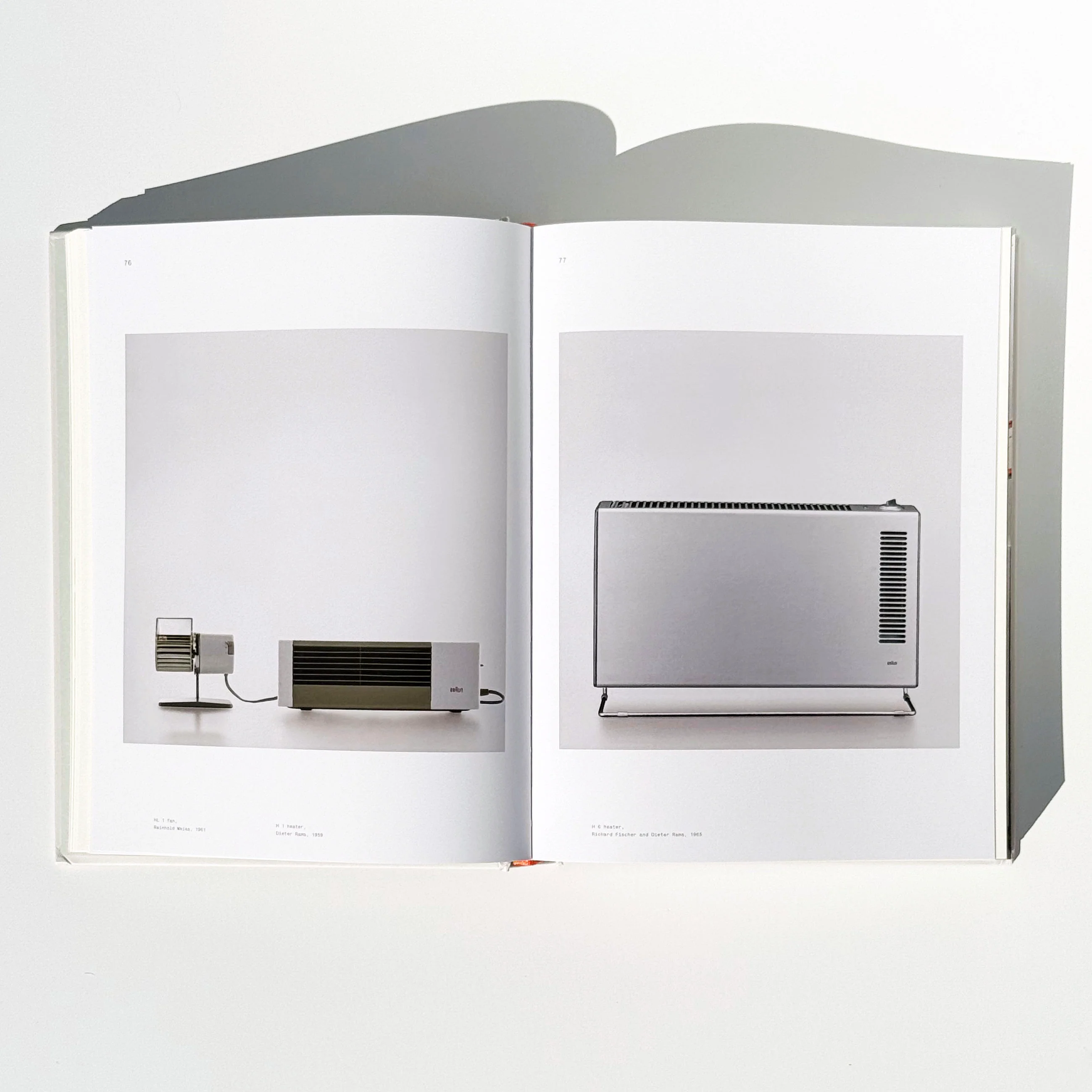
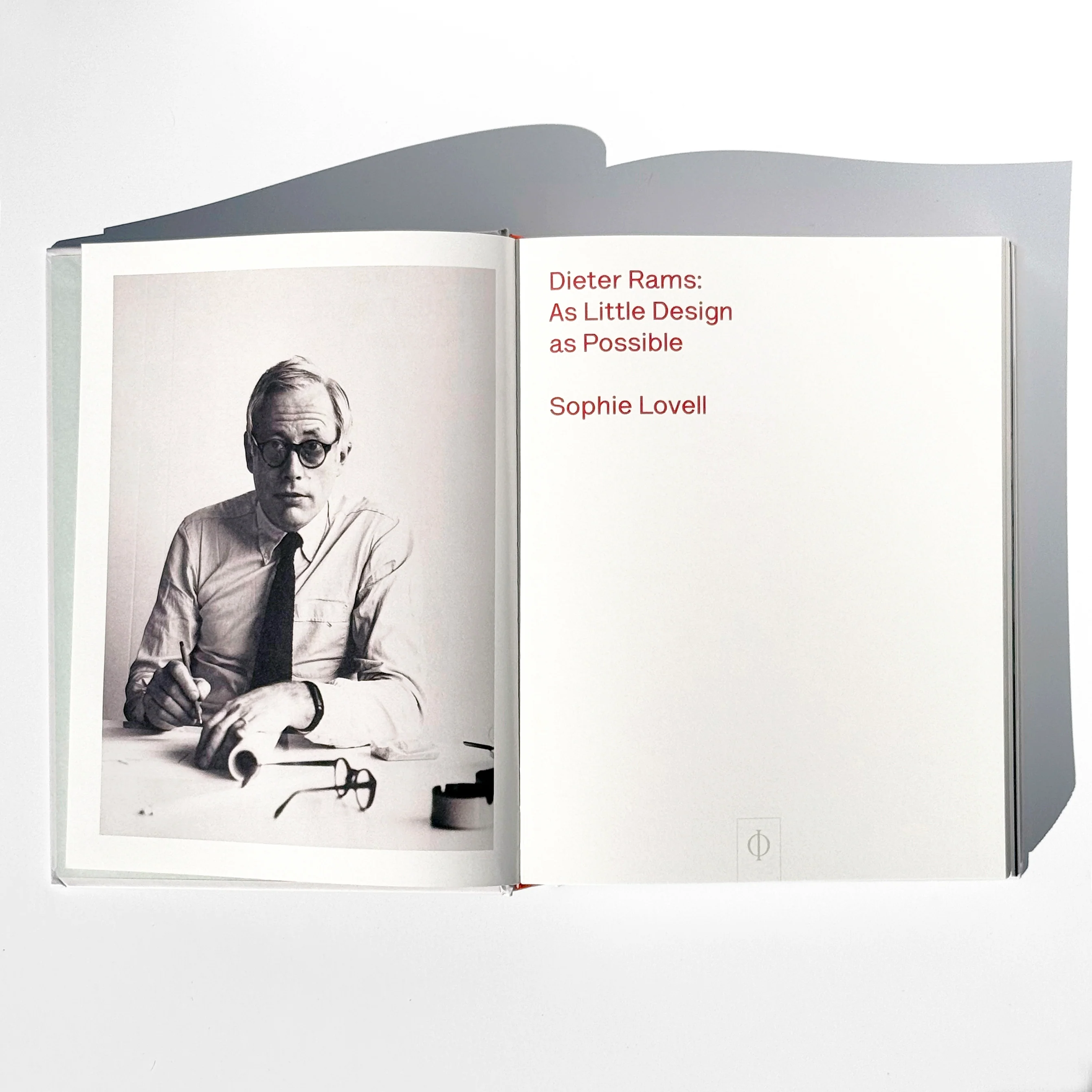
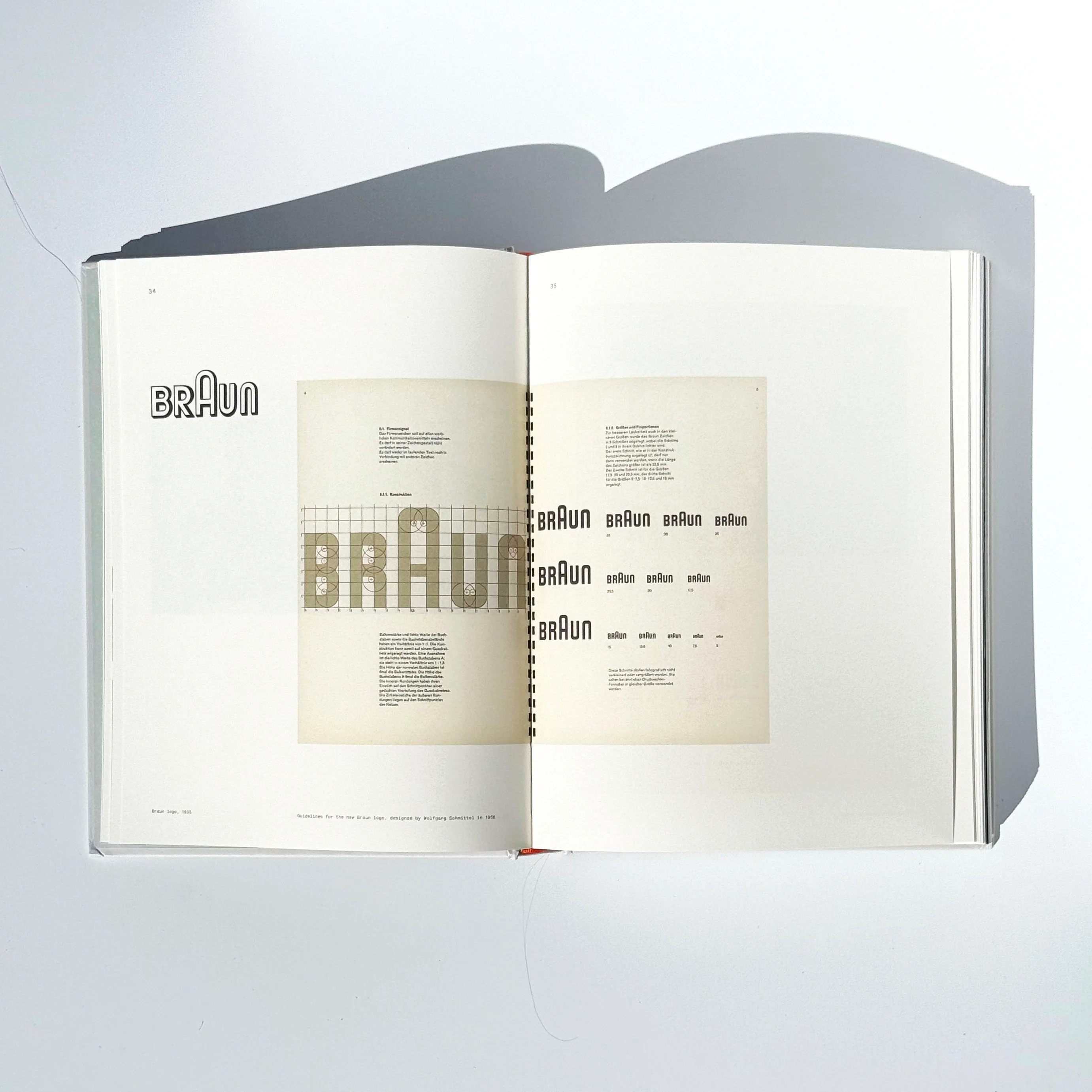
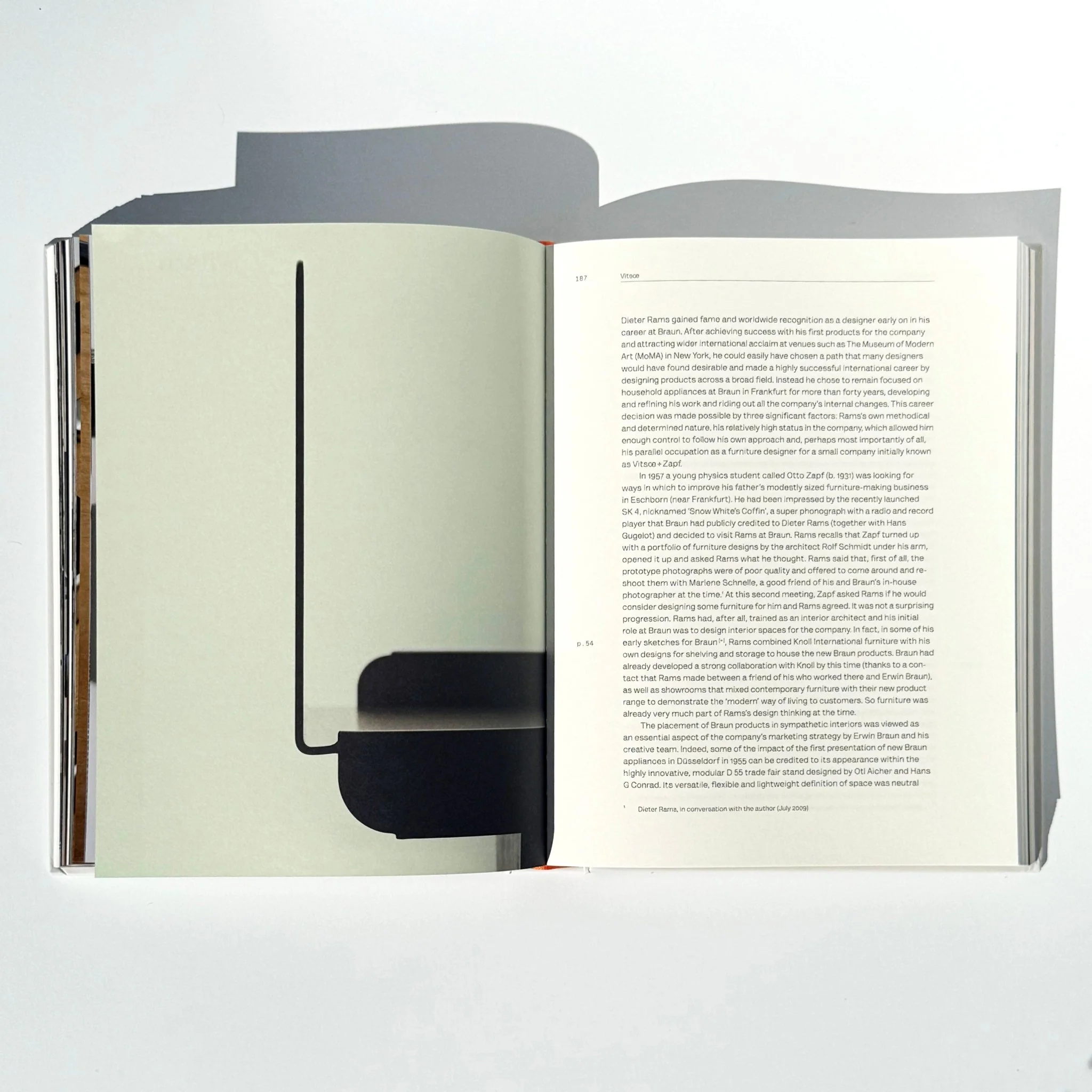
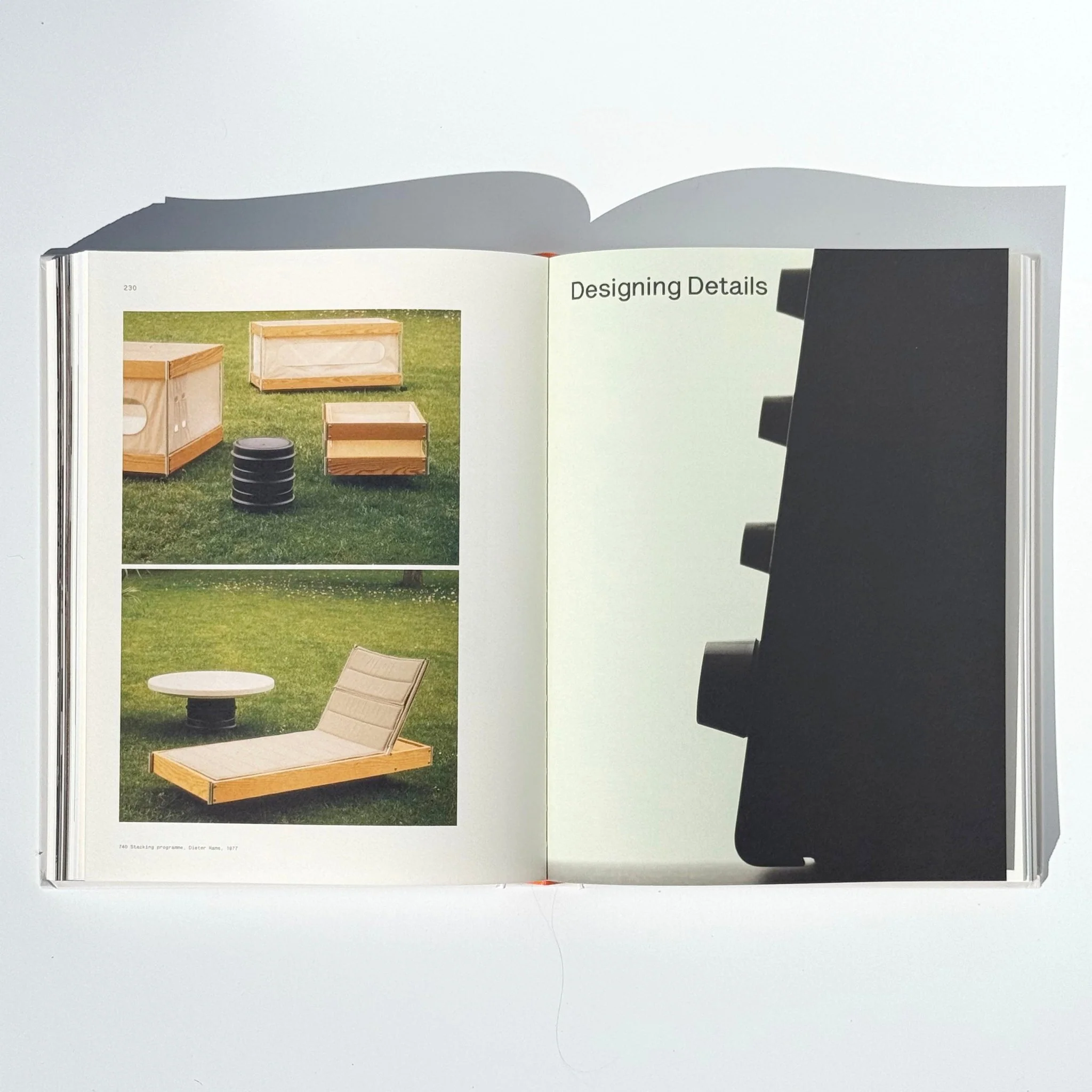
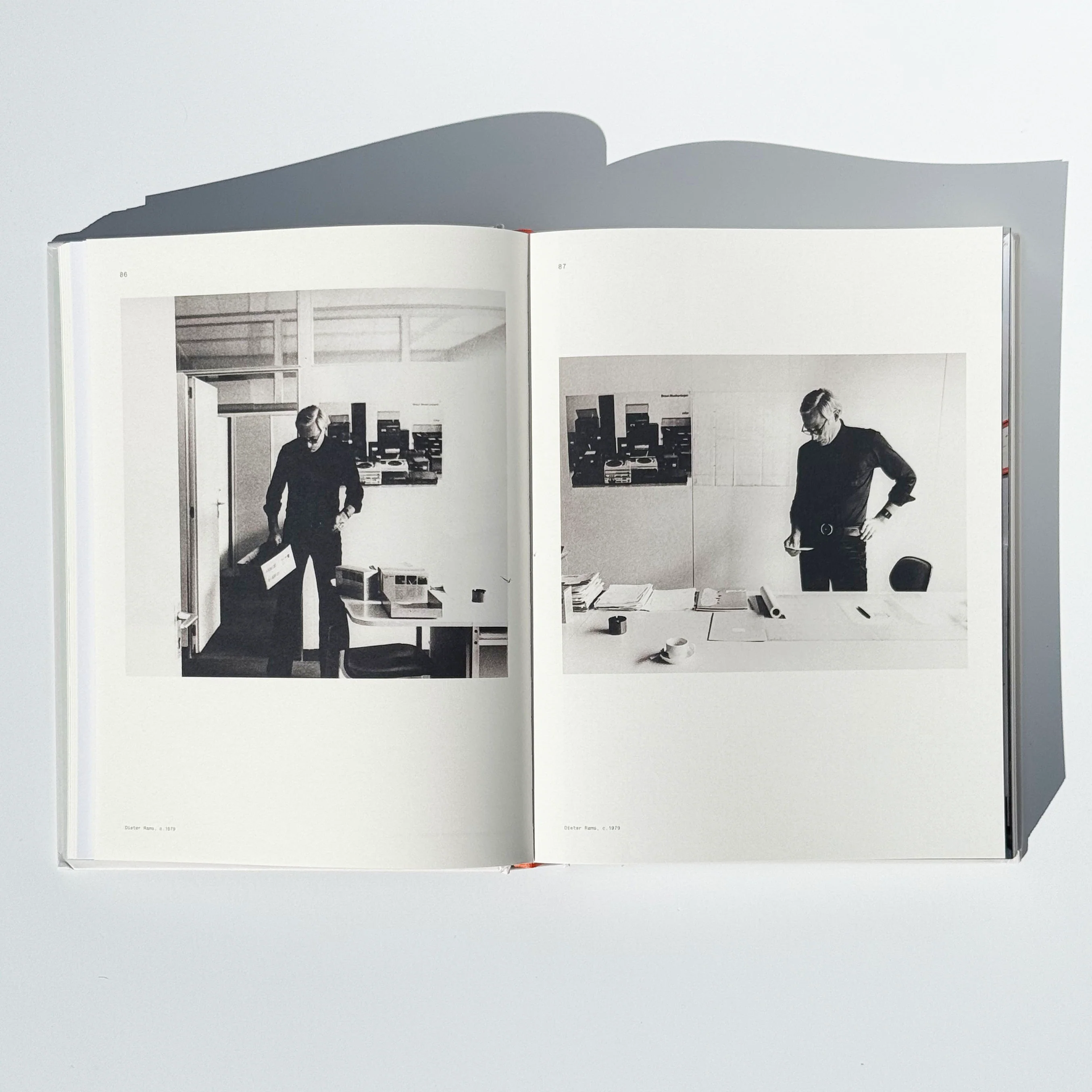
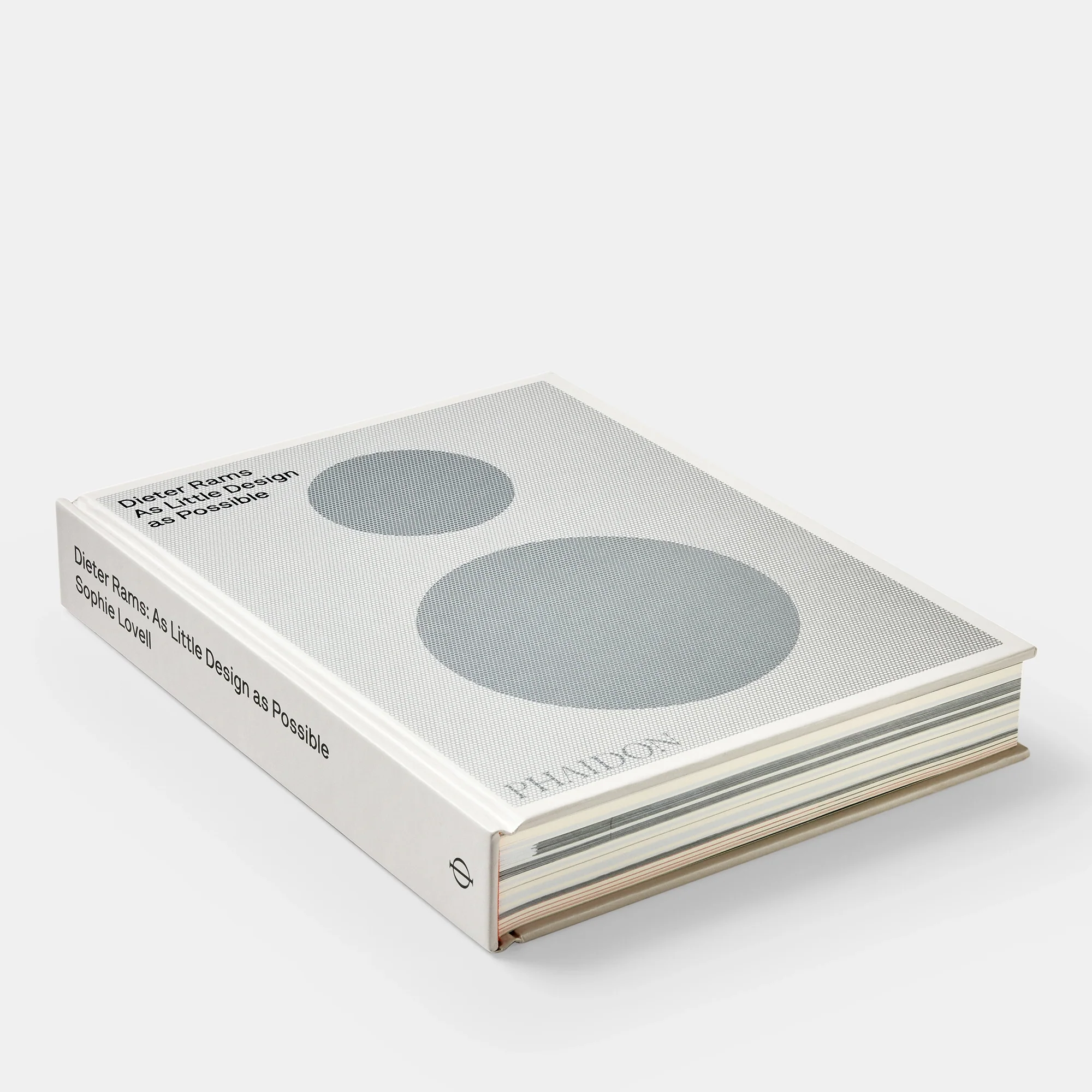
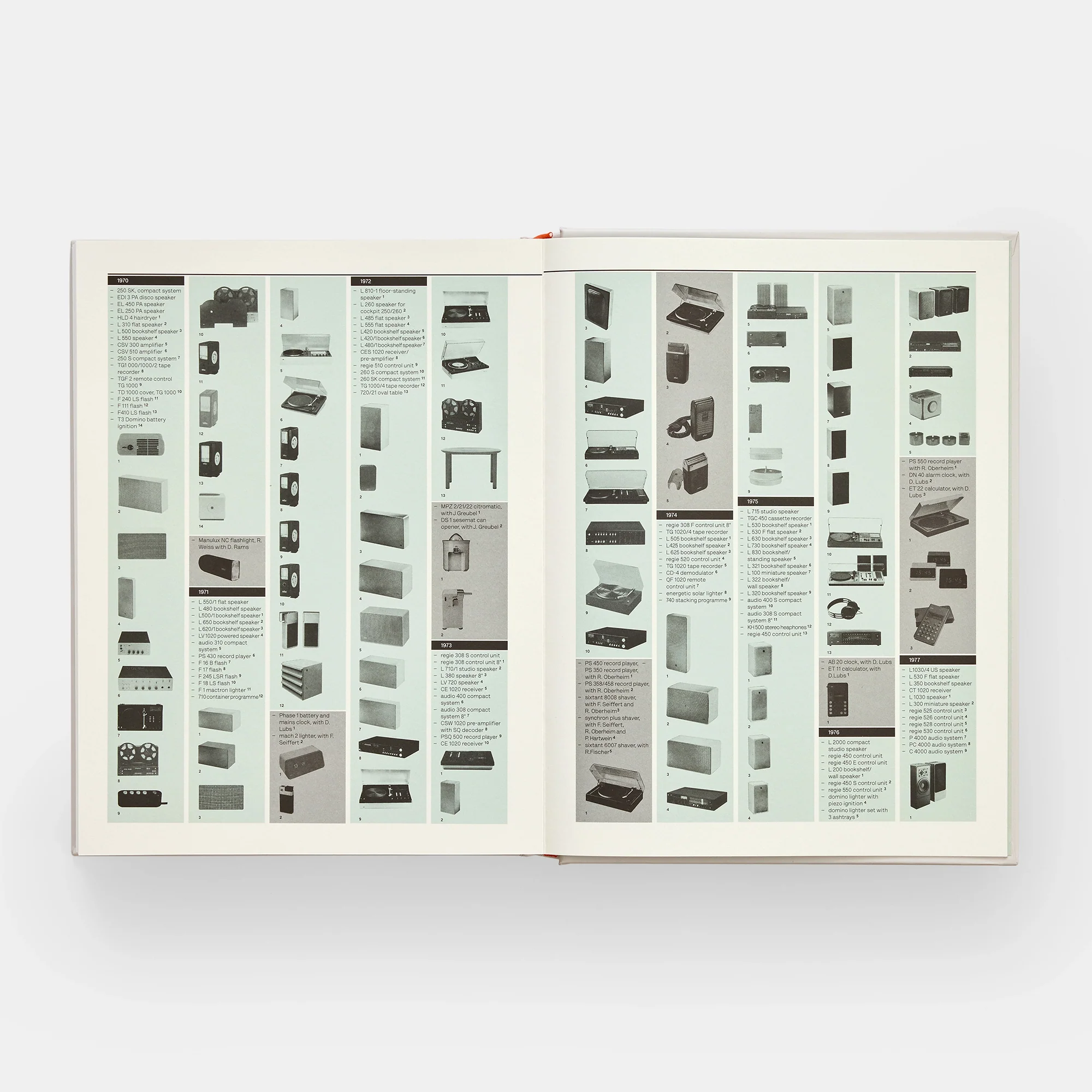
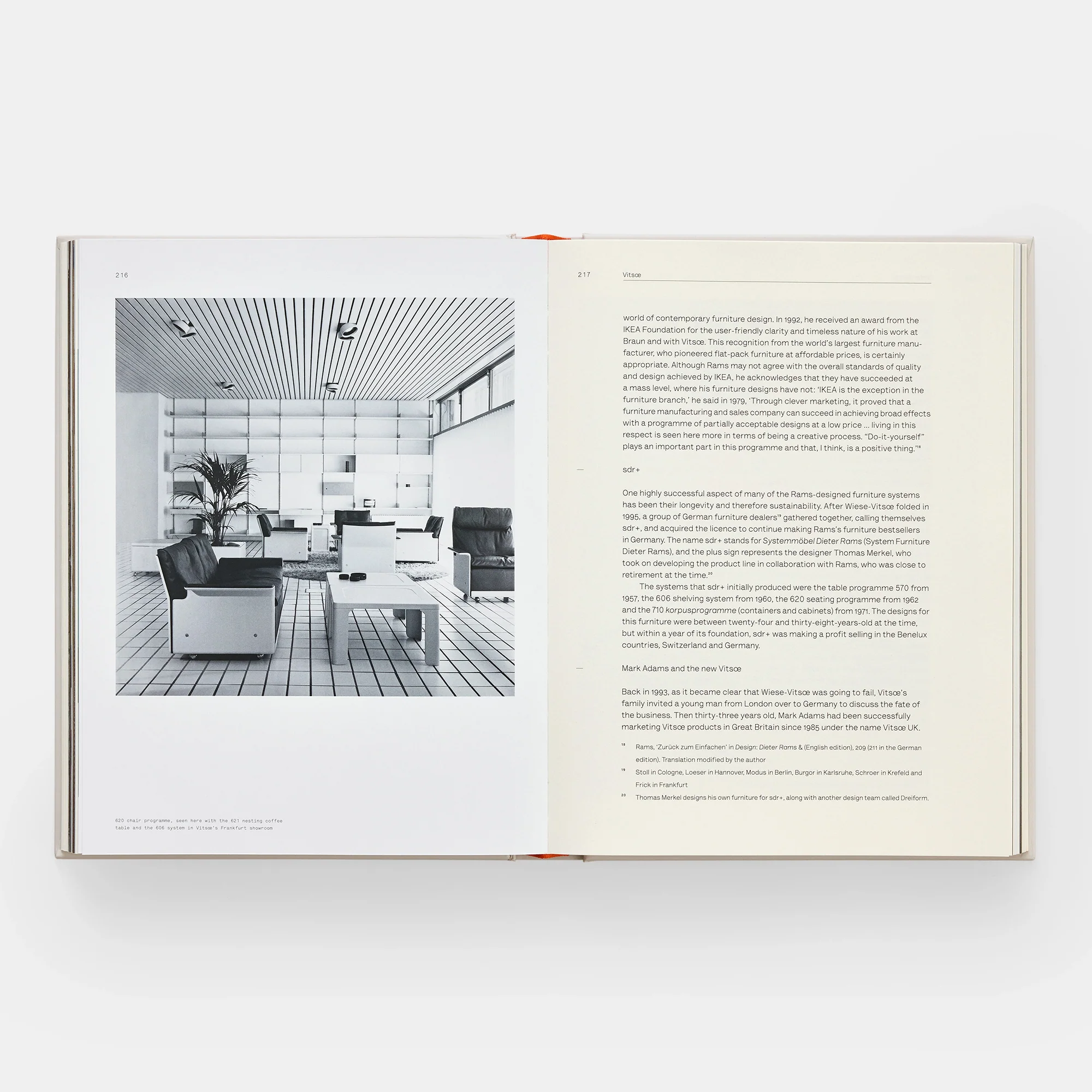
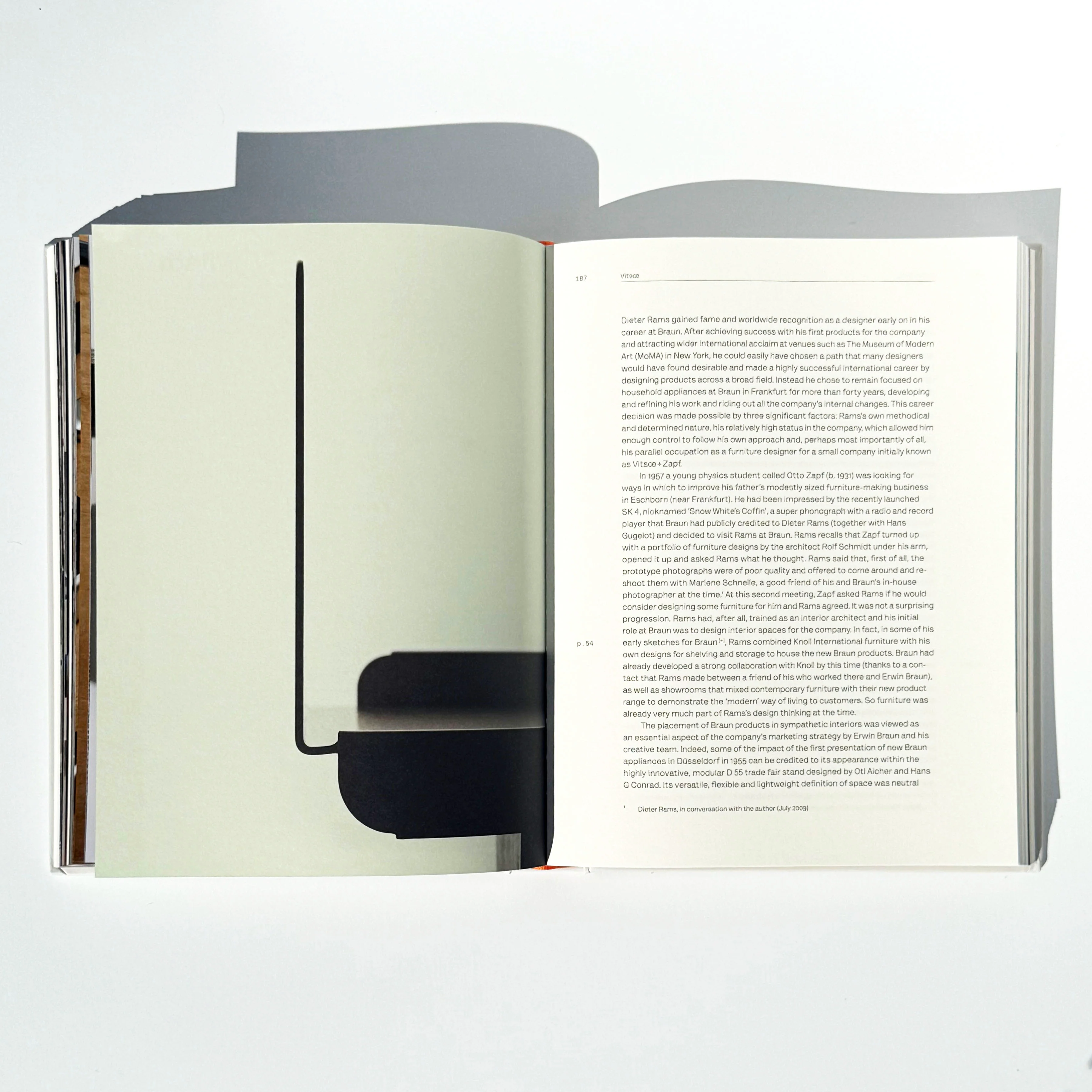
This monograph examines Rams' enduring influence through carefully considered documentation. The volume's design reflects its subject matter: precise typography, considered negative space, and photography that reveals both structural clarity and material nuance. Each spread demonstrates the systematic thought behind Rams' work, from product development to his codification of design principles. The book's physical form—from paper selection to binding—honors Rams' dedication to material integrity and tactile experience.
Archival materials include Rams' original presentations to Braun leadership, correspondence with contemporaries like Charles and Ray Eames, and documentation of his collaboration with the Ulm School of Design. A foreword by Jonathan Ive examines how Rams' principles—particularly "good design is innovative" and "good design is environmentally friendly"—address contemporary challenges in industrial design. The book concludes with an in-depth analysis of his Ten Principles of Good Design, illustrating their continued relevance through current examples.
Hardback
10 5/8 × 8 1/8"
400 pages | 320 illustrations Including 45 previously unpublished photographs
Book design is the recipient of the prestigous D&AD Wood Pencil Design award
More Images


Dieter Rams: As Little Design as Possible
Dieter Rams shaped modern design through reduction. During his tenure as Braun's head of design (1961-1995), he articulated a vision of functional minimalism that transcended mere aesthetics. His approach centered on the belief that design serves human experience by eliminating excess, transforming everyday objects—from coffee makers to calculators—into studies of essential form. This design language, developed at Braun and through his furniture work for Vitsœ, resonates in contemporary design, notably in Apple's industrial design principles.
This monograph examines Rams' enduring influence through carefully considered documentation. The volume's design reflects its subject matter: precise typography, considered negative space, and photography that reveals both structural clarity and material nuance. Each spread demonstrates the systematic thought behind Rams' work, from product development to his codification of design principles. The book's physical form—from paper selection to binding—honors Rams' dedication to material integrity and tactile experience.
Archival materials include Rams' original presentations to Braun leadership, correspondence with contemporaries like Charles and Ray Eames, and documentation of his collaboration with the Ulm School of Design. A foreword by Jonathan Ive examines how Rams' principles—particularly "good design is innovative" and "good design is environmentally friendly"—address contemporary challenges in industrial design. The book concludes with an in-depth analysis of his Ten Principles of Good Design, illustrating their continued relevance through current examples.
Hardback
10 5/8 × 8 1/8"
400 pages | 320 illustrations Including 45 previously unpublished photographs
Book design is the recipient of the prestigous D&AD Wood Pencil Design award
Product Information
Product Information
Shipping & Returns
Shipping & Returns
Description
Dieter Rams shaped modern design through reduction. During his tenure as Braun's head of design (1961-1995), he articulated a vision of functional minimalism that transcended mere aesthetics. His approach centered on the belief that design serves human experience by eliminating excess, transforming everyday objects—from coffee makers to calculators—into studies of essential form. This design language, developed at Braun and through his furniture work for Vitsœ, resonates in contemporary design, notably in Apple's industrial design principles.
This monograph examines Rams' enduring influence through carefully considered documentation. The volume's design reflects its subject matter: precise typography, considered negative space, and photography that reveals both structural clarity and material nuance. Each spread demonstrates the systematic thought behind Rams' work, from product development to his codification of design principles. The book's physical form—from paper selection to binding—honors Rams' dedication to material integrity and tactile experience.
Archival materials include Rams' original presentations to Braun leadership, correspondence with contemporaries like Charles and Ray Eames, and documentation of his collaboration with the Ulm School of Design. A foreword by Jonathan Ive examines how Rams' principles—particularly "good design is innovative" and "good design is environmentally friendly"—address contemporary challenges in industrial design. The book concludes with an in-depth analysis of his Ten Principles of Good Design, illustrating their continued relevance through current examples.
Hardback
10 5/8 × 8 1/8"
400 pages | 320 illustrations Including 45 previously unpublished photographs
Book design is the recipient of the prestigous D&AD Wood Pencil Design award