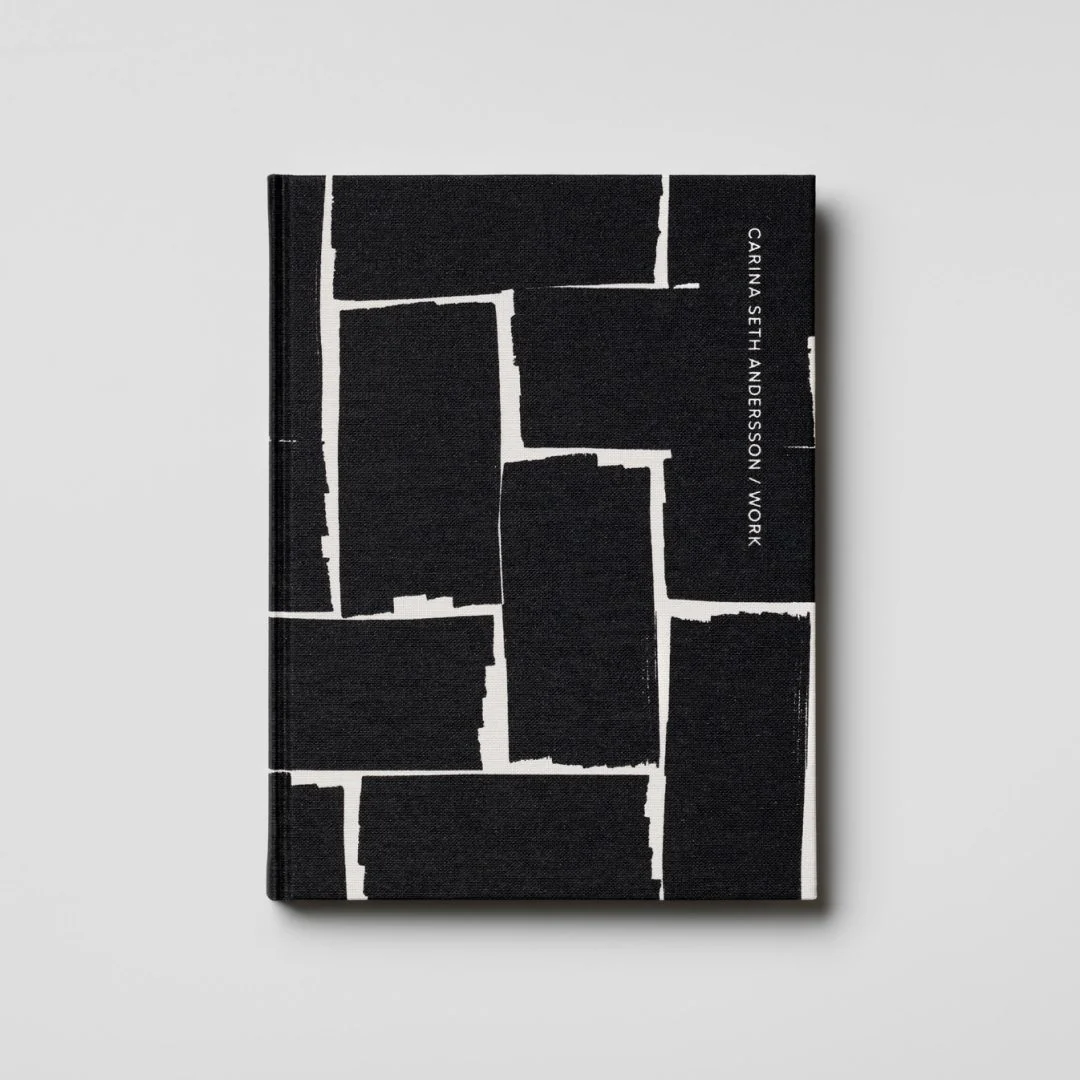
Katsura: Imperial Villa
Before modernism had a name, Katsura had a language. Built in 17th-century Kyoto, the Imperial Villa spoke in asymmetry, in negative space, in the radical idea that a structure could dissolve into its landscape rather than impose upon it. Bruno Taut called it a revelation. Gropius co-authored a book about it. Le Corbusier studied it. It has been quietly informing the work of architects ever since.
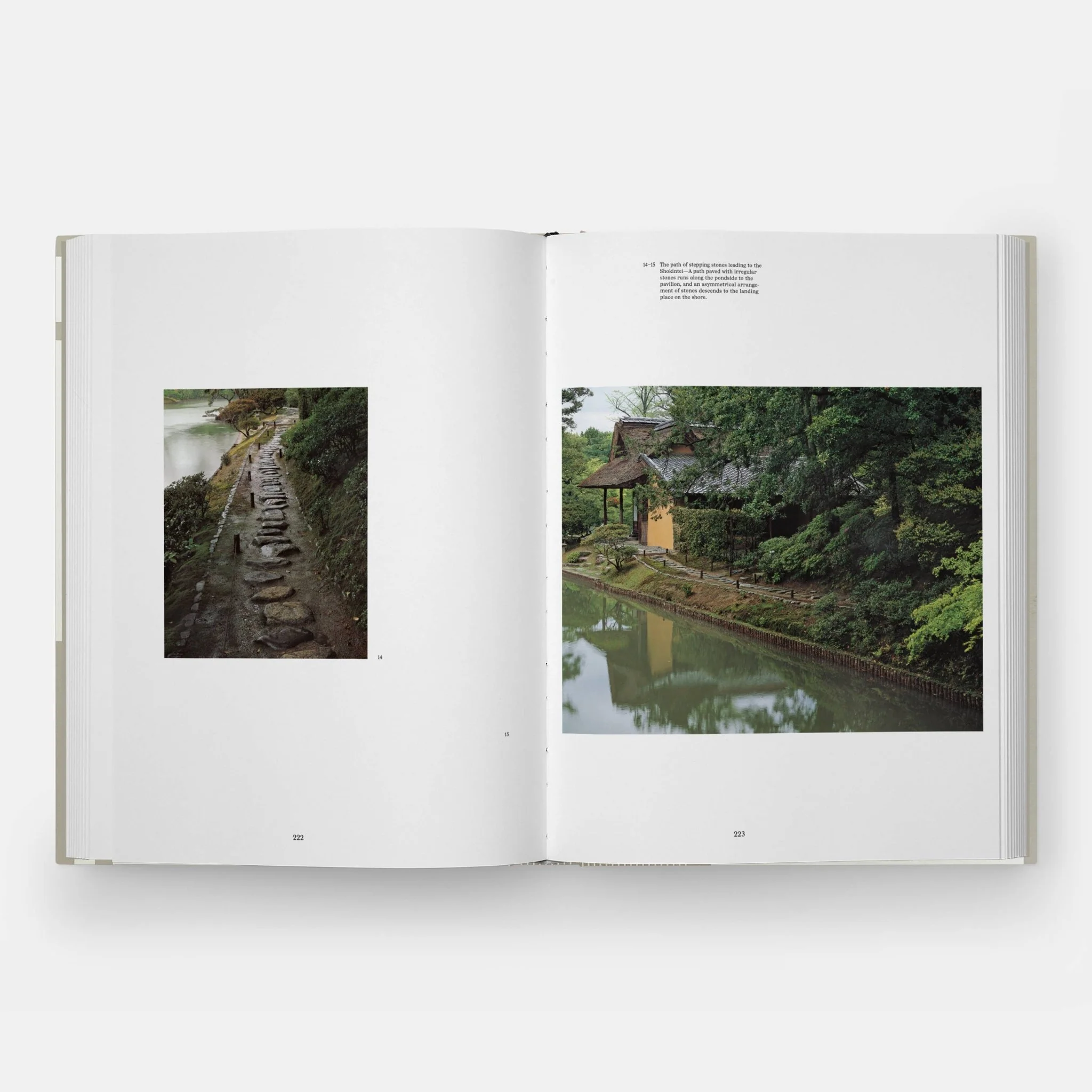
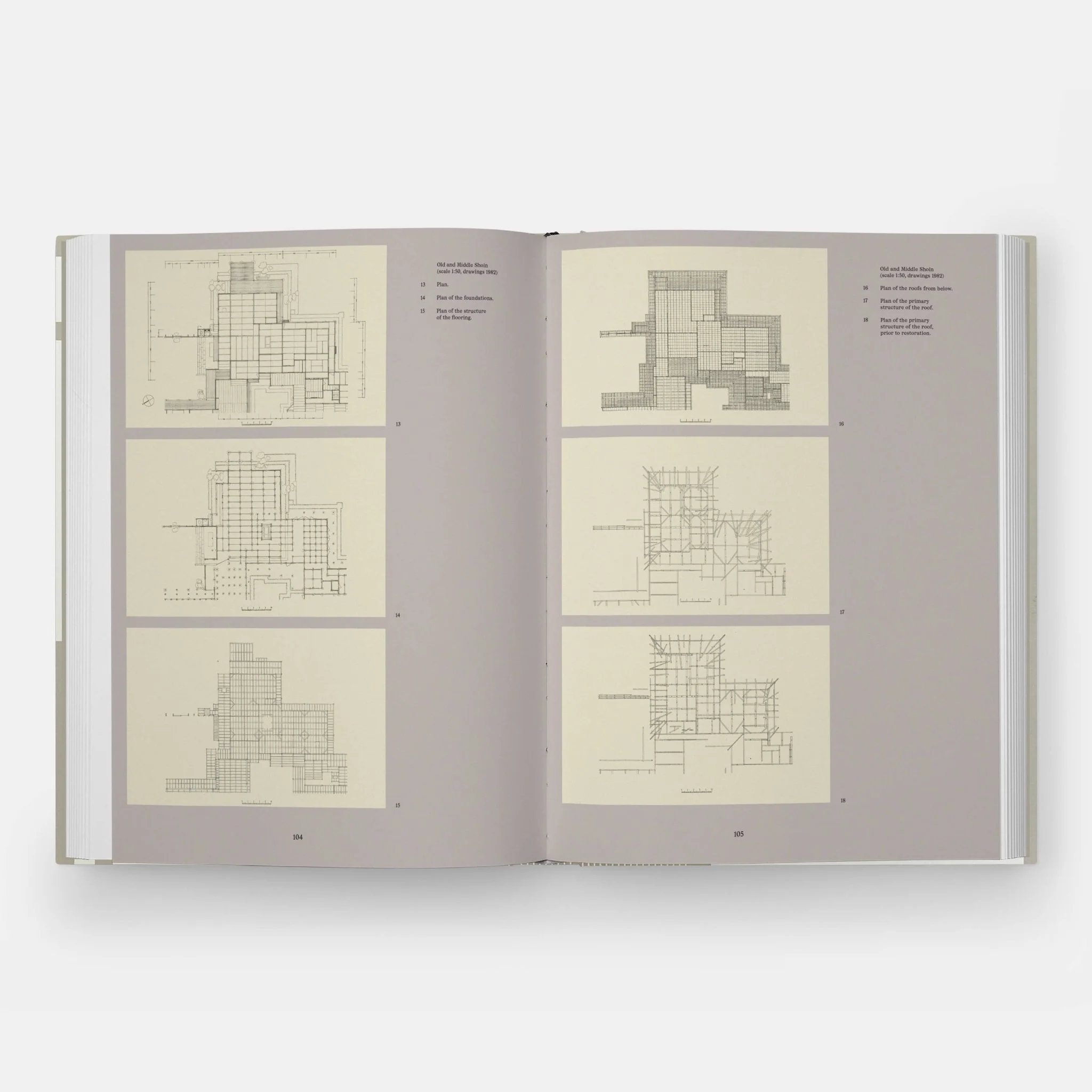
This is the book that does justice to that legacy — unhurried, authoritative, and visually precise. Floor plans, elevations, and photographs by Yoshiharu Matsumura that reward slow looking.
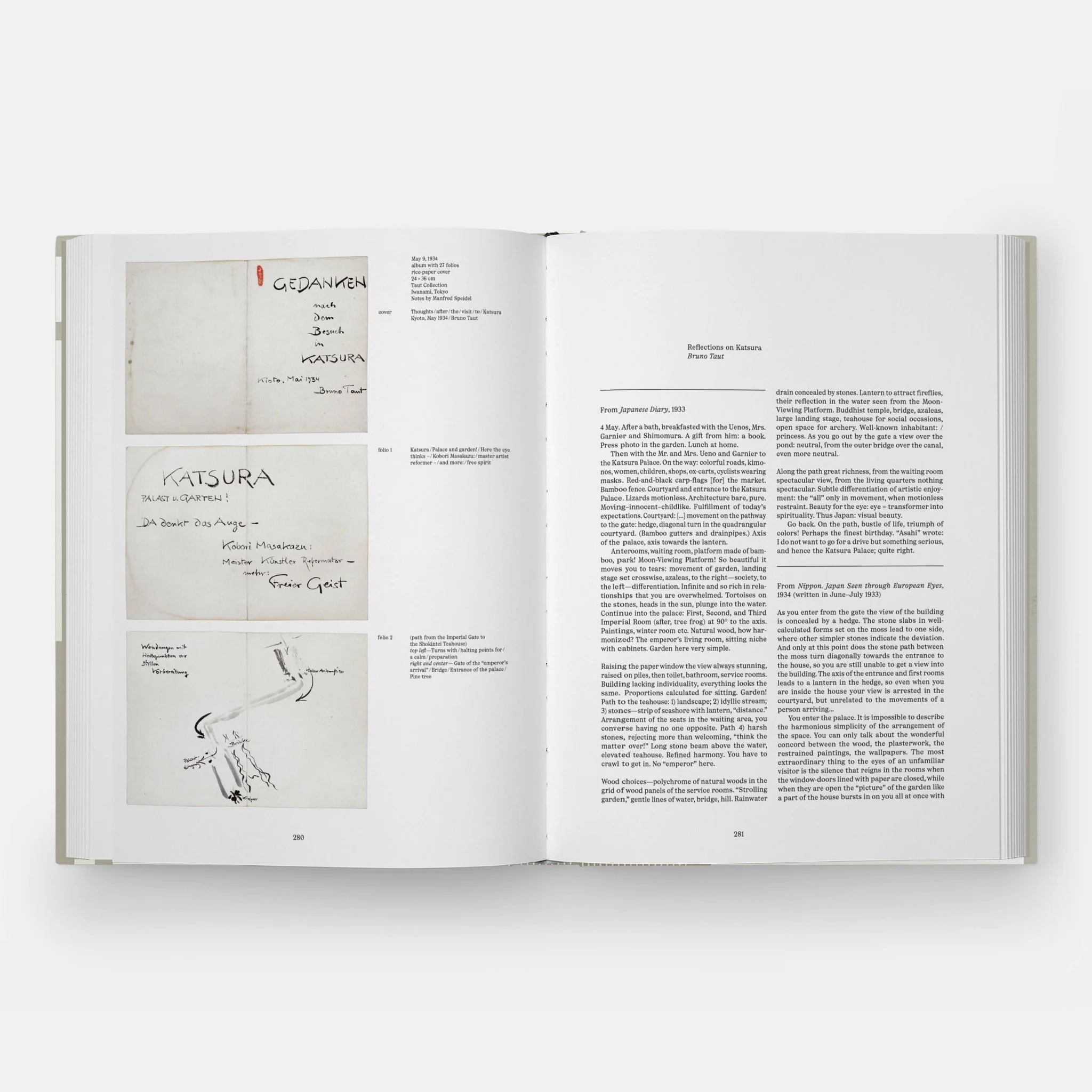
Essays by Isozaki, Taut, Gropius, Tange, and Dal Co — the architects who shaped the 20th century, writing about the building that shaped them.
For the architect who traces everything back to Japan. For the designer who understands that the most radical moves are often the most restrained. For anyone who has ever stood in a well-made room and felt, without quite knowing why, that something was exactly right.
336 pages · 11.4 × 8.4"
More Images



Katsura: Imperial Villa
Before modernism had a name, Katsura had a language. Built in 17th-century Kyoto, the Imperial Villa spoke in asymmetry, in negative space, in the radical idea that a structure could dissolve into its landscape rather than impose upon it. Bruno Taut called it a revelation. Gropius co-authored a book about it. Le Corbusier studied it. It has been quietly informing the work of architects ever since.
This is the book that does justice to that legacy — unhurried, authoritative, and visually precise. Floor plans, elevations, and photographs by Yoshiharu Matsumura that reward slow looking.
Essays by Isozaki, Taut, Gropius, Tange, and Dal Co — the architects who shaped the 20th century, writing about the building that shaped them.
For the architect who traces everything back to Japan. For the designer who understands that the most radical moves are often the most restrained. For anyone who has ever stood in a well-made room and felt, without quite knowing why, that something was exactly right.
336 pages · 11.4 × 8.4"
Product Information
Product Information
Shipping & Returns
Shipping & Returns
Description
Before modernism had a name, Katsura had a language. Built in 17th-century Kyoto, the Imperial Villa spoke in asymmetry, in negative space, in the radical idea that a structure could dissolve into its landscape rather than impose upon it. Bruno Taut called it a revelation. Gropius co-authored a book about it. Le Corbusier studied it. It has been quietly informing the work of architects ever since.
This is the book that does justice to that legacy — unhurried, authoritative, and visually precise. Floor plans, elevations, and photographs by Yoshiharu Matsumura that reward slow looking.
Essays by Isozaki, Taut, Gropius, Tange, and Dal Co — the architects who shaped the 20th century, writing about the building that shaped them.
For the architect who traces everything back to Japan. For the designer who understands that the most radical moves are often the most restrained. For anyone who has ever stood in a well-made room and felt, without quite knowing why, that something was exactly right.
336 pages · 11.4 × 8.4"